Your Cart is Empty


The best moisturizer for acne-prone skin is one that keeps your skin comfortable without repeatedly worsening congestion or irritation. Oily skin may prefer a light lotion, while treatment-dried skin may need a richer texture. Moisturizing supports the routine; it does not replace an acne medicine.
Editorial selection: recommendations are based on current ingredient lists, product labeling and dermatology guidance, not a hands-on comparative trial. Herbal Dynamics Beauty sells skincare and identifies its own products below. Cosmetic benefits are not proof that a finished product treats acne.
Surface oil and water in the outer skin are different. Acne products can leave skin dry even when the forehead still looks shiny. The AAD recommends moisturizer when acne treatment causes dryness. A specific randomized study of moisturizer alongside adapalene also supports the value of evaluating tolerability—not the idea that every moisturizer cures acne.
| Need | Features to consider | Important caveat |
|---|---|---|
| Oily but comfortable skin | A light lotion or gel-cream finish | Light texture is not a guarantee against breakouts |
| Tight or treatment-dried skin | Humectants plus emollient and moisture-loss-reducing ingredients | A serum alone may not provide enough moisturization |
| Reactive skin | Fragrance-free, familiar ingredients and a simple routine | Hypoallergenic does not mean reaction-proof |
| Recurring product-related congestion | Non-comedogenic labeling and one-at-a-time introduction | No ingredient rating predicts every finished product |
| Dry cheeks with an oily center | Adjust the amount or texture by zone | Keep sunscreen coverage adequate across the whole face |
The manufacturer lists hyaluronic acid, glycerin, squalane and five ceramides and labels the product non-comedogenic. It is a useful example of a fragrance-free daily moisturizer when you want barrier-supportive ingredients without adding an acne active. See the current ingredient list.
This is a label-based selection, not a head-to-head clinical ranking. Individual tolerance remains important.
Herbal Dynamics Beauty Youth Refresh® Prickly Pear Antioxidant Daily Moisturizer includes glycerin, emollients, shea butter and botanical oils. It may fit a person whose dry areas tolerate a richer formula. It is not automatically the best match for very oily or reactive skin, and no finished-product non-comedogenic testing is claimed here.
The formula also lists retinyl palmitate, a vitamin A derivative. People who are pregnant or planning pregnancy should choose a retinoid-free option and discuss skincare with their clinician. A cosmetic moisturizer is not a substitute for an acne retinoid.
Some people notice breakouts with particular formulas, but the cause cannot be determined by labeling every oil or fatty alcohol “pore-clogging.” Concentration, vehicle, application and individual response matter. A rash with burning or itching may be irritation or allergy rather than comedonal acne.
Introduce one product at a time. A small-area test can reveal some reactions but does not guarantee that delayed acne will not occur. If symptoms repeatedly follow a product, stop it and reassess. Use purging versus breakouts rather than assuming a basic moisturizer must cause a beneficial purge.
Hyaluronic acid is a humectant; ceramides are lipids used in barrier-supportive formulas. They serve different roles, and neither ingredient name establishes acne-treatment efficacy. A well-formulated moisturizer can contain both.
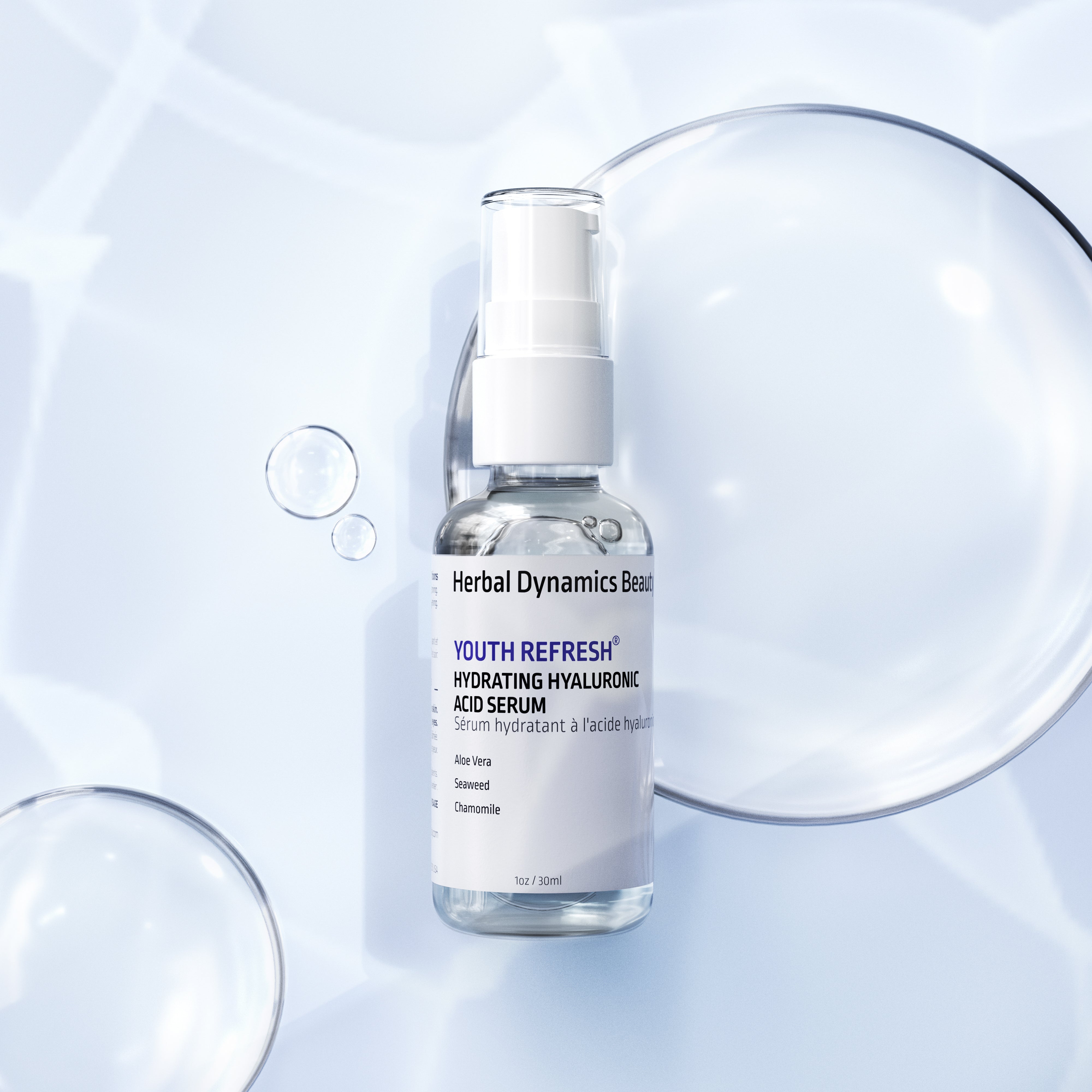
Herbal Dynamics Beauty Youth Refresh® Hydrating Hyaluronic Acid Serum can be an optional extra for hydration beneath moisturizer. Skip the additional step if the moisturizer already meets your needs.
Follow the acne medicine's directions about application and skin dryness. There is no universal rule that every active works best on wet skin. Keep moisturizer consistent, adjust optional irritating products and ask the prescriber about persistent medication-related irritation.
Read the full skincare buying guide to coordinate cleanser, treatment and sunscreen, and the irritated-barrier guide if basic products sting.
Updated September 20, 2026. General skincare education, not a diagnosis or individualized treatment plan. Seek professional care for deep, painful, scarring, persistent or rapidly worsening acne.