Your Cart is Empty


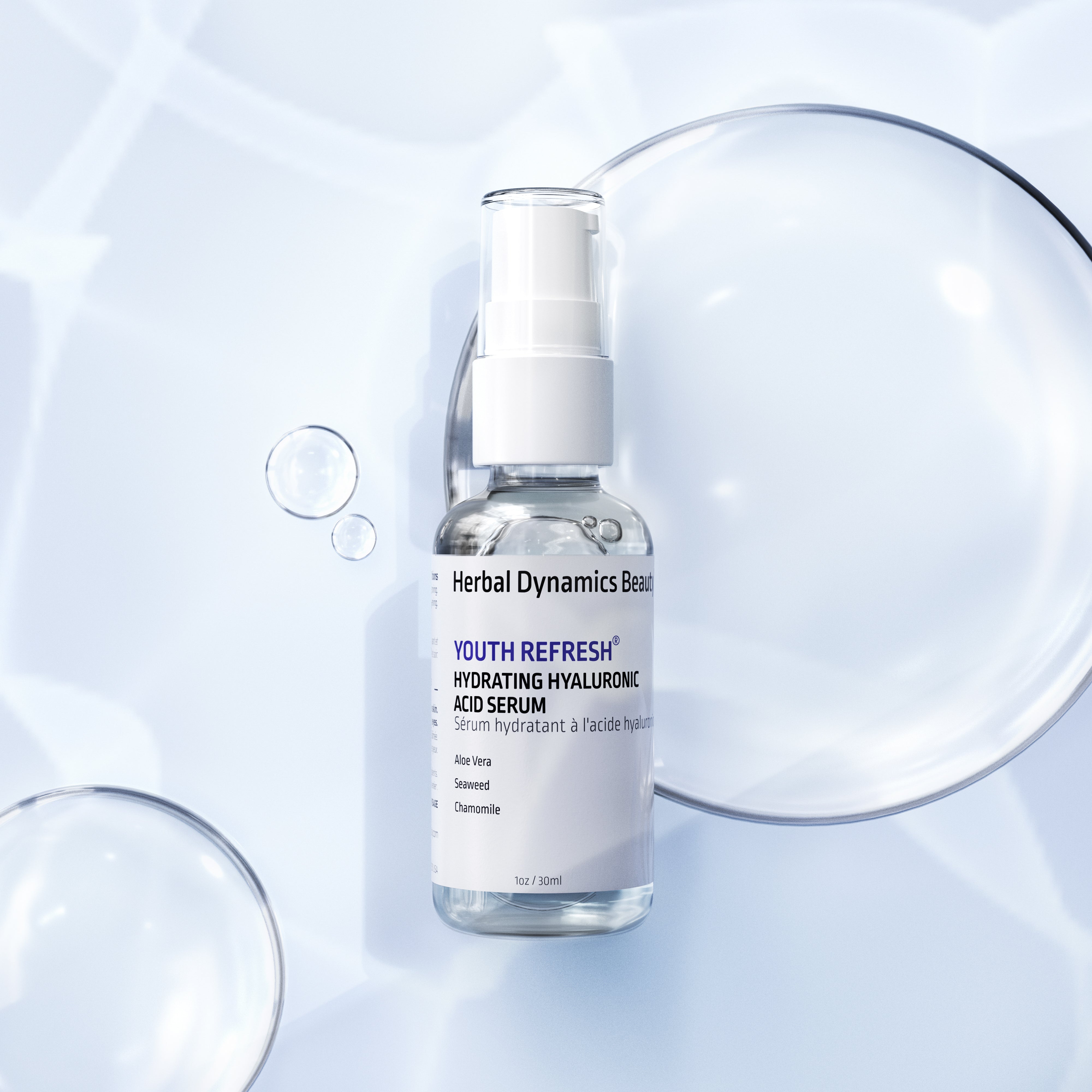
A PDRN serum is not automatically stronger or better absorbed than a PDRN cream. Choose the finished formula by its moisturizing role, tolerance, directions and evidence. A serum may add an optional step; a cream may combine that step with moisture care. The name on the package cannot determine delivery or results.
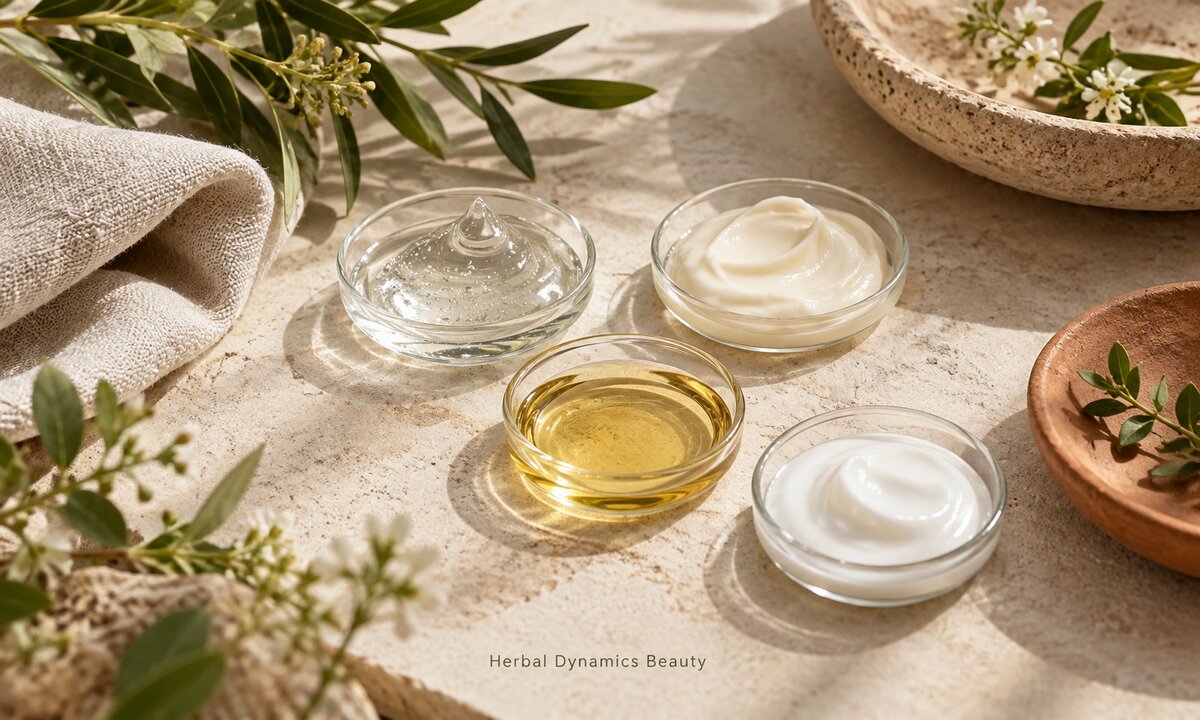
Serums often have a lighter texture and are used before moisturizer, but the term does not specify a universal composition. Creams are commonly emulsions that include water and oil phases with emulsifiers and other components. Either format can contain humectants, emollients or other actives. What matters is the actual ingredient list and tested vehicle.
| Decision | A serum may fit when… | A cream may fit when… |
|---|---|---|
| Existing routine | You already have a moisturizer you like | You want an optional active within a moisturizing step. |
| Texture preference | You prefer a lighter additional layer | You prefer a more cushioning or emollient finish. |
| Dryness | You will still supply enough moisture care | The complete base supplies the moisture care you need. |
| Layering | The formula settles comfortably under other steps | It helps keep the routine to fewer products. |
| Evidence | That exact serum has relevant testing | That exact cream has relevant testing. |
PDRN preparations can differ in fragment distribution, processing and other properties. The surrounding formula also affects how the material is presented to skin. Watery appearance, a silky finish or rapid disappearance cannot show that DNA material reached a particular depth. The evidence guide explains why delivery experiments need a named preparation and method.
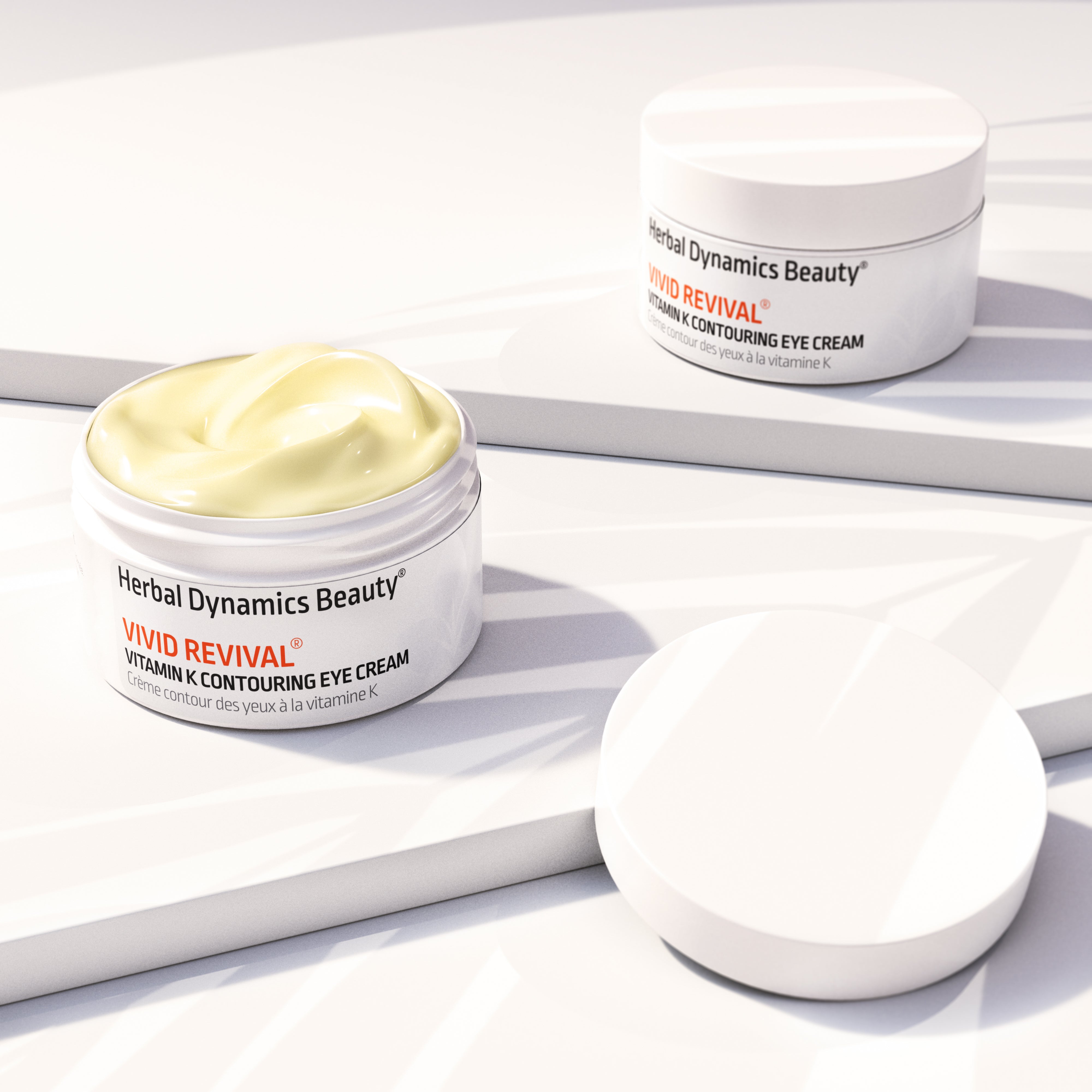
Recent topical research includes defined cream preparations. A finding for an eye cream cannot certify an unrelated facial serum, even when both use the term PDRN. Matching only the percentage leaves source, molecular profile, vehicle and use conditions unresolved. Evidence should describe what was applied, where it was applied and how outcomes were measured.
For dryness, look at the whole moisture system rather than the active name. Humectants such as hyaluronic acid have a water-binding role; emollients affect surface feel; ceramides represent a separate barrier-lipid category. A cream’s immediate comfortable feel may come largely from that base, which can be useful without proving a PDRN-specific effect.
If your main problem is a tight or stinging barrier, consult barrier-product selection guidance first. A lighter texture is not always the best fit for dryness, while a rich texture is not automatically unsuitable for every face. Individual tolerance and the actual formulation decide that fit.
Packaging can make dispensing convenient and can be part of a well-designed formula system. It does not, on its own, establish ingredient stability, preservation or delivery. Follow storage, expiry and use instructions. A stability claim needs testing of the actual packaged product rather than an assumption about a dropper or pump.
If you choose a serum, use it according to directions and retain a suitable moisturizer where needed. If a cream already supplies the optional treatment and moisture step, a separate serum is not automatically necessary. Avoid introducing both new formats at once: that makes any irritation or benefit harder to attribute.
Compare transparency, complete formula, relevant human evidence and your routine needs. The PDRN selection guide covers those checks. Concentration language is a separate issue; format alone does not tell you how much characterized DNA material a product contains.
Reviewed October 5, 2026. Educational skincare guidance; medical and procedural care requires an appropriate clinician.